“Investor expectations regarding the integration of mental health considerations within companies will continue to grow”
“Investor expectations regarding the integration of mental health considerations within companies will continue to grow”
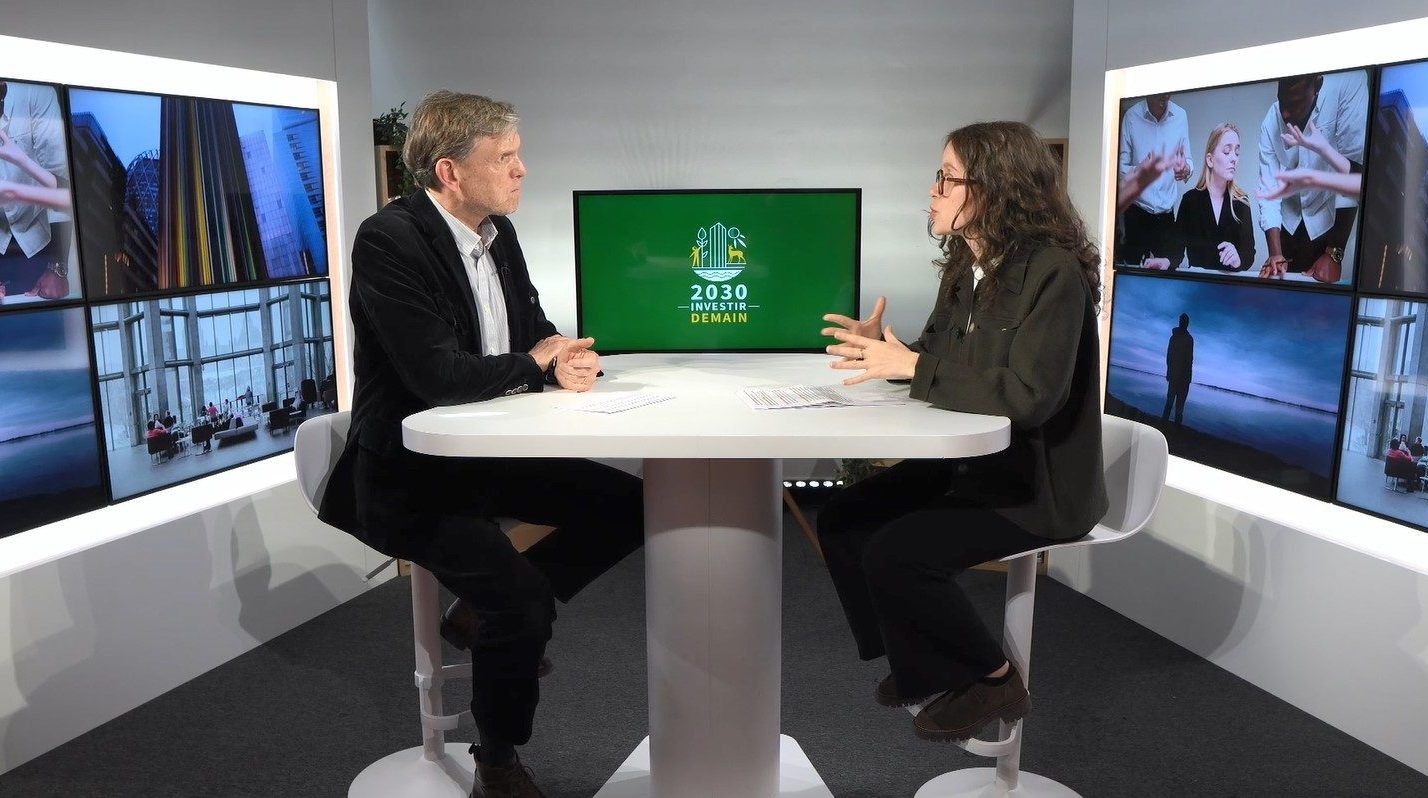
Video interview with Claire Mouchotte, Sustainability Analyst, Sycomore Asset Management
“Mental health: a responsibility for both companies and investors” is the theme of the working group led by Sycomore Asset Management as part of the think tank “2030, Investing for Tomorrow”, launched in partnership by the media outlets L’AGEFI and ID l’info durable.
In this video interview, Claire Mouchotte, Sustainability Analyst at Sycomore AM and a specialist in human capital, shares key takeaways from the discussions held during the second workshop of this working group.
Robust governance and clear management commitment
“Companies that have genuinely made progress on the issue of mental health are those that have understood it must be a structural component of their strategy and organisational model, supported by clear management commitment, an organisational approach, and structured monitoring,” explains Claire Mouchotte.
More specifically, leadership commitment must be explicit and visible through policies, public statements, and the allocation of appropriate resources. “It is essential for top management to set the tone and actively promote the topic so that it cascades throughout the organisation,” she adds.
Moreover, the approach should be organisational rather than solely individual: “it needs to be reflected in employees’ day-to-day experience through concrete actions, such as reviewing job descriptions, clarifying objectives, and creating dedicated forums where organisational issues can be openly discussed.”
In this context, the role of front-line managers and direct supervisors is critical in preventing psychosocial risks. “They are often the most exposed, as they represent the daily point of contact with employees. Therefore, they must be properly supported in addressing these issues with their teams,” notes Claire Mouchotte.
More broadly, Sycomore AM expects companies to establish robust governance frameworks on this topic. Organisations can regularly engage with their teams and even involve them directly in initiatives through a co-construction approach.
Structured monitoring
Finally, monitoring mechanisms must be structured so that relevant data can be collected and progress effectively measured.
Quantitative indicators—such as employee turnover, engagement levels, absenteeism rates, or absenteeism linked specifically to mental health—can be combined with more targeted metrics, including the percentage of managers trained on mental health issues or employee participation in support programmes.
These indicators can also be complemented by qualitative information. “This may include insights gathered through internal surveys or employee barometers that provide space for employees to express themselves freely, or initiatives such as support or assessment platforms,” explains Claire Mouchotte.
Such platforms may serve different purposes: enabling employees to self-assess their well-being, receive guidance, or be directed towards healthcare professionals when necessary.
A need for transparency and consistency
In conclusion, “investor expectations regarding these issues will continue to increase,” according to Claire Mouchotte. This will be reflected in clear corporate strategies and alignment with international standards. Mental health is increasingly recognised as a key issue by institutions such as the World Health Organization, which will require companies to demonstrate greater transparency and stronger consistency between commitments and practices.

